
Planting Seeds International (PSI) is a groundbreaking organization focused on
eradicating barriers for Guatemalan youth at the fundamental level. Through innovative early
education programs across Guatemala, they are helping children receive crucial educational
development.
PSI believes that “early childhood education is the foundation to break the cycle of
poverty.” The nonprofit has created 13 preschools across Guatemala and currently has 97 percent of their graduates passing first grade, compared to the country-wide passing rate of only 78 percent. PSI’s success comes through play-based learning, while prioritizing that “Parents need to be supported as the primary educators of their children.” The organization even has teachers provide individualized training sessions for parents to help their children.
“I’ve been in Guatemala on and off for 15 years, since 2010. I originally came to do some
volunteer work, but once I came, it became very clear that there are some educational gaps that
students had…being able to expand and scale this methodology throughout the country really
helps provide educational opportunity in rural communities and urban communities where that
opportunity necessarily wouldn’t exist” says Mac Phillips, co-executive director of PSI, in
response to why he is passionate about Planting Seeds.
A Trip of a Lifetime
Though a Guatemalan nonprofit may seem half a world away, PSI actually has ties to
Leelanau County. Thanks to a connection between PSI, Northwestern Michigan College, and
Leelanau Investing for Teens (LIFT) there have been three trips to visit Planting Seeds. Most
recently a group of Leelanau high school students traveled to Guatemala in 2025.
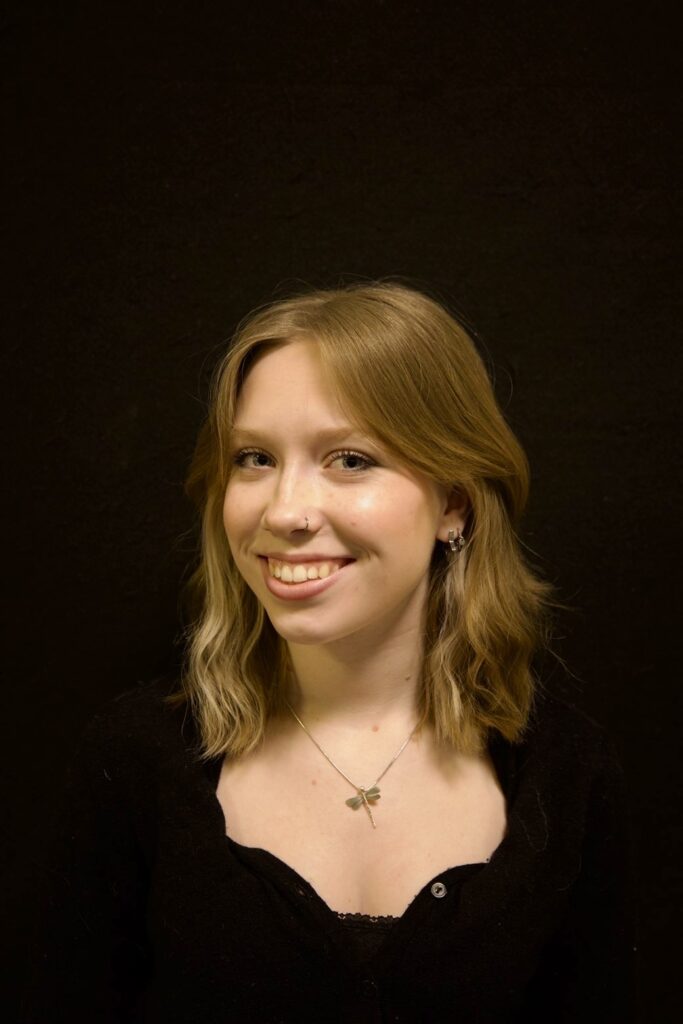
I was one of those students.
In our rural community, there are very limited opportunities for students to see different
parts of the world. But PSI provided an opportunity for students to come see the impact
dedicated work can do. Getting to go to Guatemala and work with PSI not only allowed me to
experience a place I never had before, but it also showed me that there’s more to the world than
just what you know. This trip gave me the opportunity to view experiences differently and
reevaluate my idea of what’s attainable for my future.
I grew up going to Montessori school, which focuses on child-led, hands-on learning.
These concepts are so similar to the Planting Seeds methodology of “child-centered, activity
based, early childhood education.” When I got to visit the kids at San Lucas preschool, I saw
materials identical to those I had grown up using.
We got to play and learn with the preschoolers at their pace, and one girl in particular
clung to me. She would just follow me around or stare at me dotingly, if I went to their painting
table, she would follow. Next she took me to their “construction zone” where we built towers and
demolished them, only to rebuild them once again. We played here for a while as I helped her
stabilize our forts, and she taught me the words for truck, camión, and other new words.
Later our student group from Leelanau would plan out a lesson for the children, so that
we could teach them something in return.
On the Ground
When we went to the community center in Zone 3 of Guatemala City— one of the
capital’s poorest neighborhoods— I was surprised at the sight. The building was a tall,
multifloored building with its entry way slightly sunken in relation to the open room ahead.
A few steps up from the entrance was a large space with a ping-pong table and a shelf for board games on the left. The further I walked, the more I began to realize that the space was
repositionable. The walls could slide around and be moved to make smaller classrooms. As we
walked up the stairs you could see a smaller portion of the floor branching off into a library nook
with multicolored chairs. Further up there was a dance-floor type of exercise room full of gym
equipment, as well as a larger room for groups to meet in.
At the top of the building the roof was caged in, with spaces for basketball and soccer
games. The design of the building itself was mesmerizing, I was in awe of its versatility.
After our tour we ventured back downstairs to the main floor, where we helped set up
long tables for lunch. We ate with a number of community members, providing an opportunity to
connect cross-culturally. I sat next to an older woman who told me about where she had grown
up, and how she visits the community center regularly for English classes and to play with her
granddaughter. She told me about how when she was a kid there was nothing like this for her—
this was a safe space her grandchildren could come to play and learn.
Funding the Future
Visiting Guatemala is one of my favorite things I’ve experienced. We saw captivating
landscapes, volcanoes, and historical ruins such as Iximche, but what made our trip memorable
was the people who lead our tours, our bus driver who sat through a six-hour traffic jam with us,
and a mother I met at the community center who told me about her dreams to be a doctor and
study in the U.S. The PSI directors who entertained me in long conversations about their pasts
and passions for this program.
As a nonprofit organization, Planting Seeds relies on philanthropic efforts from the U.S
and Canada rather than more local donors since “there isn’t the same level of philanthropy in
Guatemala as there is in the United States,” says Mac Phillips. “I think trying to build really
authentic experiences for people to get to know and understand the realities that are happening here in Guatemala is really important. So we can build kind of cross-cultural citizens and really
understand the problems that people in Guatemala are facing and how to support them.”
Phillips adds that PSI prioritizes ethical sponsorship. One way they do this is through
their Champions program, where you donate $30 a month to become a “Champion” of education, while receiving updates on their work through occasional personalized stories about different community members.
Sharon Workman, a Traverse City local, began her journey with Safe Passage in 2006 a
nurturing organisation for PSI, during that time Planting Seeds was developing its early
childhood program at Safe Passage which is where she first got involved. She was a volunteer
with them until she became a board member in 2016 working on the developmental committee.
Sharon has a background in family psychology and child abuse prevention she used these skills
to help implement family nurturing and parenting programing in PSI. As a board member she
“was highly active in organising traverse city residents to support this work. We organized
fundraisers and really helped involve more and more people in the efforts. … I think it would be
really helpful for a new generation of people to learn about it and get involved.”
The Leelanau students witnessed first hand Sharon’s and Macs’ belief in education’s
power to create more prosperous futures in both Guatemala and northern Michigan.